
ISVD joins the Small Concession joint working group: connecting a community’s future with project decisions
On October 2, 2026, ISVD Representative Director Naoya Yokota participated in the Small Concession Platform’s joint working group on project delivery and financing. He discussed connecting a community’s long-term vision and the role of public facilities with short-term results and approval decisions.
Table of Contents
On October 2, 2026, ISVD Representative Director Naoya Yokota participated online in the Small Concession Platform’s first joint working group on project delivery and financing.
Reusing public facilities involves securing operators and agreeing on revenue, costs and responsibilities. It also requires agreement within a local government and its assembly. Yokota offered a perspective on how a community’s intended future and a facility’s role can connect with immediate results and project decisions.
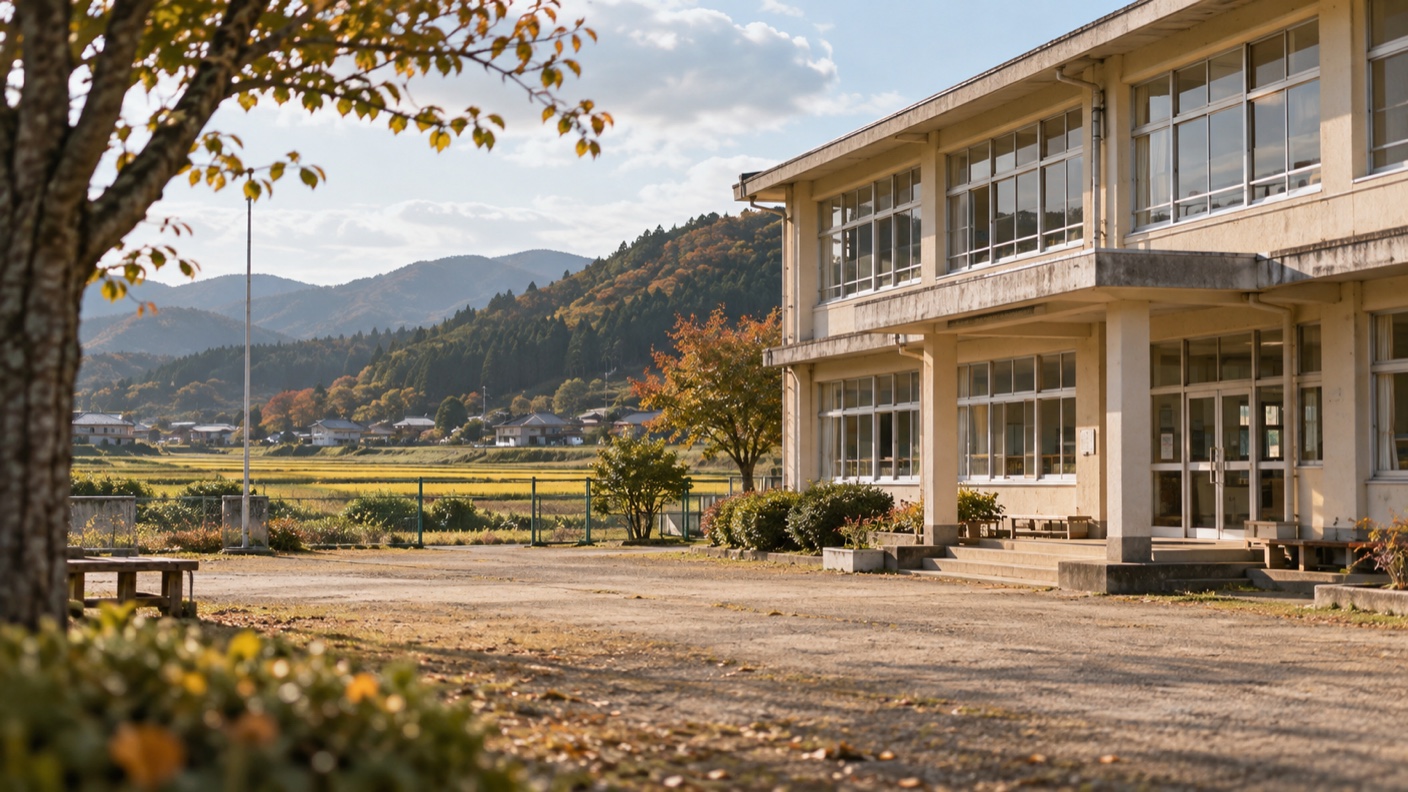
This is a generated image, not a photograph of the meeting or a project facility.
Examining obstacles to implementation
Small Concession initiatives involve cooperation between public and private organizations to reuse local public assets, such as closed schools. This working group(external site, opens in a new tab) was convened to identify obstacles in actual projects and examine questions of project delivery and financing.
In Asagiri Town, Kumamoto Prefecture, a proposal seeks to use underused public assets to connect temporary visits with relocation and long-term residence. A publicly available study report published by the Ministry of Land, Infrastructure, Transport and Tourism(external site, opens in a new tab) describes an integrated approach involving a former school, former government-office sites and camping facilities, linking tourism with support for relocation and settlement.
Such proposals require attention to both the purpose of reuse and the conditions under which a project can operate. A community goal alone does not establish who will run a facility or how costs and risks will be shared.
Connecting a long-term vision with approval decisions
Acknowledging Asagiri’s ongoing efforts, Yokota raised a broader question about how agreement is reached on public-facility projects.
Short-term results can help build understanding. Changes in everyday life and community relationships, however, may take longer to become visible. If decisions concentrate on reducing fiscal burdens or demonstrating an economic return on investment, the explanation needed for approval may become disconnected from the community’s intended future. Yokota presented this as a general concern.
ISVD believes that explaining how a specific facility contributes to the future described in a local comprehensive plan can help officials and assembly members share the reasons for pursuing a project. Broad goals such as “community revitalization” or “encouraging relocation” need to become more concrete: whose lives should change, in what way, and what role should the facility play?
This connects with the work of a feasibility study, which examines the conditions under which a project can operate. Establishing feasibility and agreeing on why a community should pursue the project, including the justification for its costs, are both necessary processes.
Helping private operators imagine the community’s future
A clear relationship between the community’s future and a facility’s role can also support agreement with private operators. Understanding the local government’s goals can help an operator consider what its investment and day-to-day work would contribute to.
Participation decisions also depend on practical conditions: the building’s condition, refurbishment costs, expected revenue, contract duration and risk allocation. Sharing the intended community outcomes may influence the substance of discussions about those conditions.
Tracking usage and revenue and sharing long-term goals are both important. For a project intended to support relocation and settlement, for example, how might facility use lead to sustained involvement in the community or access to housing? This is a question ISVD is considering following the meeting, and a way to make the purpose of measurement more concrete.
Our participation reinforced the importance of developing explanations that connect project feasibility with the future a community seeks, so that stakeholders can make informed decisions. A second working-group meeting is planned for December, building on the issues identified in the first meeting.
Public sources
Get ISVD updates by email
Research and activity updates from ISVD, plus new articles from Koso 0-ku. Free to subscribe.
Confirmation email sent. Click the link in the email to complete your subscription.