
Does Implementation Under Way Mean a Transport Gap Is Resolved?
Japan’s transport-law amendment scheduled for 16 October, the 15 May district counts, and usable bookings and round trips.
Separate the districts counted as of 15 May from progress for the previous year’s cohort. Using records available on 14 October, distinguish plans, trials and operation from usable bookings and round trips. Counts alone do not rank municipalities; examine remaining travel needs and continuing costs.
TL;DR
- The 2,740 districts counted as of 15 May and the previous 2,057-district cohort are separate populations
- Implementation includes trials and cannot be read as a count of resolved gaps
- As announced by 14 October, principal changes were scheduled for 16 October; check plans, operation, bookings and round trips separately
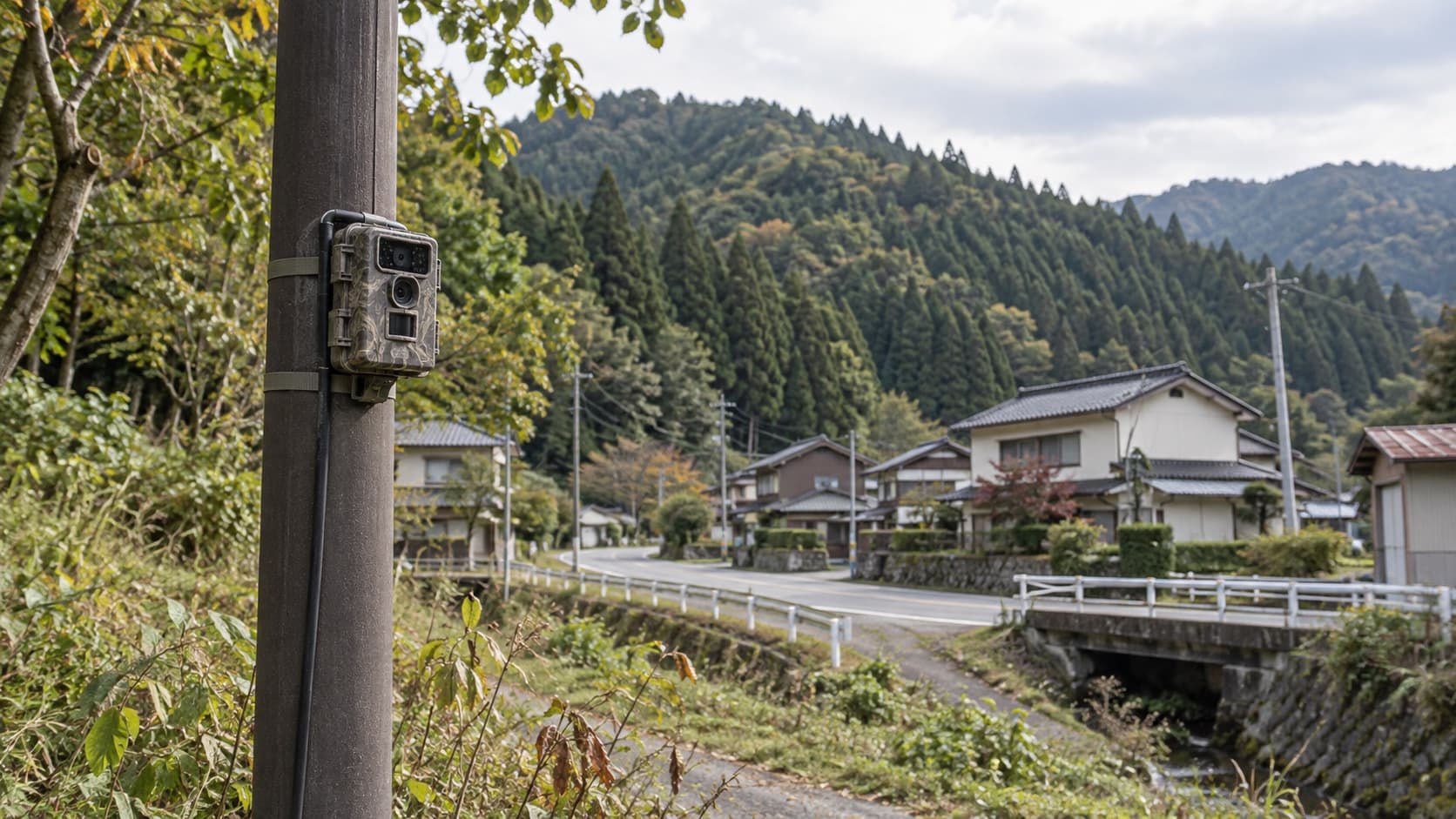
The cover is an AI-generated illustrative image, not a documentary photograph of a real municipality, bus stop or intervention.
What Is Happening
Read the 14 October record; separate the 15 May total from the previous year’s cohort.
This article provides general information about transport policy and legal arrangements, not legal advice for an individual case. Confirm particular planning and transport procedures with the relevant authority or a qualified legal professional.
This article reads public records available on 14 October. Japan’s local transport amendment is not a report that residents’ journeys have improved. The (MLIT) announced that the principal changes in the amendment promulgated on 10 June would commence on 16 October. The amendment was not in force as of 14 October; this article reads what had been published at that point. Between establishing a framework for municipalities to coordinate transport resources and enabling someone to reach a hospital or school lie plans, agreements, operation and checks on actual use.
Separate commencement from the survey date
On 18 September, MLIT also announced related regulations and guidance(外部サイト、新しいタブで開きます). The announcement likewise scheduled related implementing regulations for 16 October; publication did not make every new procedure immediately available. Any assessment of operations under the new framework will need separate evidence of who did what after commencement.
The national survey of , by contrast, ran from February to May and appears in the 2026 policy document(外部サイト、新しいタブで開きます). By 15 May, 1,705 municipalities had responded. These figures cannot measure the effects of the later legislative changes.
The same status label can cover different populations
The survey identified 2,740 districts requiring some response. The total as of 15 May comprises 1,274 districts implementing measures, 1,124 districts preparing measures and 342 districts considering a response. A district is a unit used to identify local problems; it is not interchangeable with a municipality, a passenger or a scheduled service.
The same document separately reports progress for the 2,057 districts identified in the previous year: 1,300 districts implementing measures, 588 districts preparing them and 169 districts considering a response. The first category explicitly includes resolved gaps. The figures 1,274 and 1,300 should not be reconciled as two counts of the same population.
The number of districts implementing measures is not the number whose transport gaps have been resolved. The document’s paragraph on policy goals describes a range of maturity, from trial services to operations becoming established. It is possible to acknowledge that action has begun while separately checking which conditions of use have improved.
15 May total: 2,740 districts
- Implementing
- 1,274 districts
- Preparing
- 1,124 districts
- Considering
- 342 districts
Previous cohort: 2,057 districts
- Implementing
- 1,300 districts
- Preparing
- 588 districts
- Considering
- 169 districts
MLIT’s 2026 policy, printed pages 7 to 9. Implementing in the cohort includes resolved gaps. Do not compare the columns as percentages with a common denominator.
Background & Context
Check usable stops, vehicles, drivers, funding and agreements; counts do not rank municipalities.
A nearby stop does not establish usability
Public transport gaps are not defined by a single nationwide distance threshold. The policy includes both an absence of transport and difficulties using it, with municipalities judging local circumstances and residents’ needs. Its examples include a nearby station with very few trains, a housing estate with steep slopes despite a nearby bus stop, and an area-based service requiring previous-day reservations with no morning or evening dispatch.
These are government examples, not observations of every district’s use. They show why distance to a stop alone cannot establish whether someone can travel at the required time. Is there a service after the appointment ends? Can the person use the booking channel even when the timetable shows a service? A route map needs to be read alongside the conditions for journeys that daily life requires.
Do not rank municipalities by district counts
A municipality identifying more districts is not necessarily further behind. MLIT notes that detailed analysis and ambitious goals can produce more listings. Particularly in small and medium-sized municipalities, shortages of staff or expertise can leave identification incomplete. It describes the survey as a count at that point in time and calls for continued identification.
Making fewer districts the sole goal would leave unclear how newly discovered difficulties are recognised. If residents’ reports bring more districts into scope, improved identification needs to be recorded too. Changes in district boundaries, resolutions and newly identified gaps need to be linked to their records before a change in totals can be called policy success or failure.
The designated district and the population eligible to use a service may also differ. For a hypothetical operation with registration conditions, some residents may not qualify, or its operating area may not reach their hospital. Bringing a district within a programme does not establish that every resident’s mobility has improved.
Separate available vehicles from conditions for operation
The amendment concerns Japan’s law on revitalization and rehabilitation of local public transport. One new framework is the statutory . It concerns routes and service areas that are wholly or partly suspended or discontinued, or at risk of this: a local authority selects an operator and supports it through local transport resources to restore or continue services. Under Article 26-3 in the version commencing on 16 October(外部サイト、新しいタブで開きます), an implementation plan specifies such matters as the operator, the amount of funding and how it will be obtained; it also names the party providing support when personnel are dispatched, vehicles or other transport facilities are lent, or part of a transport service is provided. Before preparing the plan, the authority must obtain consent from the parties in paragraph 4, including existing operators, intended service providers and parties intending to dispatch personnel, lend vehicles or other transport facilities, or provide part of a transport service. Article 2(12) covers bus routes or service areas, taxi service areas, and routes or areas for registered private paid passenger transport. Identifying a vehicle alone does not establish the plan.
Article 26-6 in that version places an obligation to endeavour to cooperate on providers of transport for facility users and other local parties. Article 2(5) defines the former as facility owners or operators who provide free transport incidental to use of their facilities, using vehicles other than commercial transport vehicles. It does not convert every facility vehicle into transport open to everyone on commencement day. Parties still need to coordinate compatible hours, drivers, boarding assistance and operating costs with the facility’s original service.
Article 28 allows local authorities to request necessary information and other cooperation from public transport operators and other specified parties when preparing five types of implementation plan, including restructuring plans. Recipients must comply unless they have justifiable reasons. This statutory provision does not prescribe public disclosure. For local analysis involving destinations or health information, this article proposes separately defining the records needed, the parties receiving them and what may be published.
Reading the Structure
Connect plan records with usable bookings and round trips; examine non-use and continuing costs.
Link plan records to records of use
The fifth edition of the handbook, revised in September(外部サイト、新しいタブで開きます), recommends understanding local conditions from users’ perspectives and investigating purposes, seasons, days, times and frequency. Its approach extends beyond preparing a plan: evaluate passengers, finances and public expenditure, and use the findings to revise it.
National categories help identify districts requiring action and stages of support. Assessing residents’ mobility additionally requires specifying who can use a service, for what purpose and under which conditions. This article proposes connecting administrative progress records with records of whether intended journeys were possible. It does not describe a method already implemented by every municipality.
Districts in the same national category can have different services and eligibility conditions. A local assessment can preserve operating areas, eligible users, days and reservation methods in one record, including conditions at launch and after changes. This makes it possible to check what changed in the service, alongside changes in the survey category.
For a hospital journey, for example, check services arriving before reception closes, booking methods and deadlines, and the return journey if the appointment runs late, as well as the launch date and passenger count. This is a proposed assessment scenario, not a particular district’s observed hospital journeys. More outbound passengers would not establish a secured round trip if relatives still had to collect them afterwards.
Planning and operation records
- Plan
- Roles, funds
- Launch
- Dates, trips
- Use
- Passengers
Conditions of use
- Booking
- Obtained?
- Outbound
- On time?
- Return
- Home?
The author’s proposed checks, not nationally measured outcomes or service standards guaranteed by the new law.
Investigate why people did not travel
Passenger records show those who actually travelled. They do not capture someone unable to book, or someone who did not apply because the process was unclear. Low use needs investigation to distinguish low demand from unsuitable times or destinations.
When examining unsuccessful bookings, distinguish full capacity, destinations outside the area and requests outside reception hours, and avoid counting repeated requests by one person as multiple people. State what reception records can establish. People who abandoned the idea before applying require another method, such as interviews; participant responses alone cannot establish access for the entire district.
Interviews should also distinguish choosing an available alternative from abandoning a wanted journey. The same absence of use can imply different problems. Aggregate and share information at a level that avoids identifying individual medical destinations or daily routines, and consider methods that do not disadvantage users for declining to provide information.
Examine round trips and continuing costs together
Comparisons before and after introduction should match journey purposes and days, while recording other changes, such as the location of schools or hospitals and family transport. Facility consolidation can change destinations and distances. Changes in outings alone therefore do not establish an effect of the new transport service.
Usability and continued operation need to be considered together. On printed pages 14 to 15, the handbook names passengers, finances and public expenditure as indicators for concrete goals that local parties can share. This article proposes also using them to discuss prospects for continued operation. If post-subsidy funding and responsibilities remain undecided, a successful journey during a trial cannot automatically be classified as a permanent resolution of the gap.
Cost comparisons also need to establish who pays for telephone booking staff and boarding assistance, not only vehicle operation. Sharing a facility vehicle does not automatically share reception and coordination work. Connecting additional journeys made possible with the expenditure needed to sustain them supplies evidence for decisions on continuation or change.
Which journeys and times take priority needs concrete discussion among residents and those operating the service. The scope of participation and decision records examined in Resident Participatory Policy-Making Process Design: From Formal Participation to Substantive Collaboration(このサイトの記事) also matter here. Reporting a difficulty should not produce an adverse evaluation; reasons a service could not be used need to inform revisions of the plan.
Remaining Questions
Which changes, surveys and funding arrangements can improve access and sustain services?
Whose journeys can the amendment help secure? Alongside plan approval and launch dates, can residents check whether services allow timely arrival at hospital or school and a journey home afterwards? Adding trips and changing booking deadlines or operating hours are possible choices, but their staffing and costs differ. This article proposes that authorities and operators compare conditions by journey purpose and day, then use records of unmet needs to select the next changes.
How can people unable to book and those who abandoned the idea be identified? Reception records can show unsuccessful requests but miss reasons for never applying. Interviews can supplement them, yet respondents’ experiences cannot be extended to the entire district. Can authorities state the population and period investigated, disclose what remains unknown about nonparticipants, and use residents’ reports to revise surveys and booking methods?
Who will pay for operations and coordination after trial funding ends? Municipal funding and shared facility transport are possible choices, but changes in budgets, working hours or eligibility can undermine either arrangement. Can residents, authorities and operators preserve records of costs including reception and boarding assistance, the parties paying them, and when agreements will be reviewed? Separate evidence on district counts and usability should inform decisions to continue or change services.
References
2026 policy for addressing public transport gaps (author’s title translation) — MLIT Headquarters for Addressing Public Transport Gaps (author’s translation) (2026). Ministry of Land, Infrastructure, Transport and Tourism
Cabinet approval of the order setting the commencement date for the law amending the law on revitalization and rehabilitation of local public transport (author’s title translation) — Ministry of Land, Infrastructure, Transport and Tourism (2026). Ministry of Land, Infrastructure, Transport and Tourism
Related regulations and guidelines for the amended local transport law: addressing public transport gaps as growth investment (author’s title translation) — Ministry of Land, Infrastructure, Transport and Tourism (2026). Ministry of Land, Infrastructure, Transport and Tourism
Law on revitalization and rehabilitation of local public transport (version scheduled to commence on 16 October) (author’s title translation) (2007). e-Gov Laws and Regulations
Handbook for preparing and operating local public transport plans and related plans, fifth edition, principles volume (author’s title translation) — Ministry of Land, Infrastructure, Transport and Tourism (2026). Ministry of Land, Infrastructure, Transport and Tourism
Reference Books
持続可能な交通まちづくり ――欧州の実践に学ぶ (ちくま新書 1824) (Sustainable Transport and Urban Development: Learning from European Practice; title translated by this article)(外部サイト、新しいタブで開きます) (Chikuma Shobo, 2024) is related reading. The selection is based on public bibliographic information and the publisher’s description and contents; the full book is unread. The primary sources above support the 2026 survey and statutory changes.
The Amazon link is an affiliate link. ISVD may receive a referral fee from qualifying purchases.

Bibliographic details and the contents are available on the publisher’s page(外部サイト、新しいタブで開きます).
Statistics cited in this article
- 1MLIT, 2026 policy for addressing public transport gaps(As of 15 May 2026) Open source
- 2MLIT, progress for districts identified in the previous year(As of 15 May 2026) Open source
Questions to Reflect On
- Which records distinguish the 15 May total from the previous year’s cohort?
- Where are failed bookings and return journeys recorded?
- Who pays for operations and coordination after trial funding ends?
Key Terms in This Article
- Public transport gaps
- In MLIT’s 2026 listing survey, areas where transport is absent or difficult to use. Municipalities assess local circumstances and residents’ or users’ needs, rather than applying a single nationwide distance threshold.
- Business for restructuring local motor passenger transport services
- A framework defined by Article 2, item 12, in the Japanese local transport law version taking effect on 16 October 2026. A local authority selects and supports an operator through local resources to restore or continue services on routes or service areas wholly or partly suspended or discontinued, or at risk of this.
Related Content
After an AI bear alert, who handles checks and safety measures?
AI-camera trials and the decisions, responsibility and costs of emergency shooting in Japan

Foreign Parties Acquired 175 Hectares of Japanese Farmland, 0.004% of the National Total — and Not One Hectare Went to a Foreign Corporation or a Foreign National Living Abroad
On 16 September 2025 the Ministry of Agriculture and the Forestry Agency published their 2024 surveys of farmland and forest acquisition by foreign parties. Farmland came to 175.3 hectares, 0.004% of the national total, of which foreign corporations and foreign nationals living abroad accounted for zero. Forests came to 382 hectares, 0.003% of private forest, with a cumulative 10,396 hectares since 2006, or 0.07%. The Forestry Agency states that no case of development for water intake or groundwater extraction has ever been reported.

Japan's 70.3% Settlement Rate for Rural Revitalisation Volunteers Is Not the Share Who Stayed Where They Were Hired — That Figure Is 57.5%
A survey published by Japan's Ministry of Internal Affairs and Communications in April 2026 found that 70.3% of the 8,762 rural revitalisation squad members whose terms ended in the past five years "settled in the same area". Of those, 5,038 (57.5%) stayed in the municipality where they served and 1,125 (12.8%) moved to a neighbouring one. From the standpoint of the municipality that paid for the post, that 12.8% left. This piece reads whose viewpoint a settlement rate is drawn from.

Vote-Weight Disparity Passes 2x in 16 Districts — Japan's Last Redistricting Started at 1.999
NHK estimates that 16 House of Representatives districts now have a vote-weight disparity of 2x or more, up from 12 a year earlier. This is not a failure of the system but its design at work. The 2022 redistricting came in at a widest gap of 1.999 times, leaving 0.001 of headroom before the limit, and seats can only be reapportioned on the census held once a decade. This piece reads the round trip between correction and drift.
Get new columns by email
1-2 social structure analysis columns per week. Free to subscribe.
Join ISVD's activities?
Sign up to receive the latest research and activity reports. Feel free to reach out about collaboration or project participation.
Support ISVD’s research and activities
Support ISVD’s research and publications with JPY5,000 per year. There is no automatic renewal.