
How Does the GREEN×EXPO Store Differ from Plans for the Future Park?
About the pre-event Sogo Yokohama store and the former Kamiseya park plan, separating their places, dates and evidence of later use or benefit.
Read the Sogo Yokohama store opening separately from the former Kamiseya park plan. Distinguish places, dates and stated purposes before evaluating local benefit, public use or disaster operations.
TL;DR
- The permanent official store is a pre-event department-store outlet; its announcement is not a plan to convert the expo venue after closing.
- Read the scheduled exhibition and future park against their separate locations, boundaries and dates.
- License income, locally retained benefit and disaster operations require different evidence.
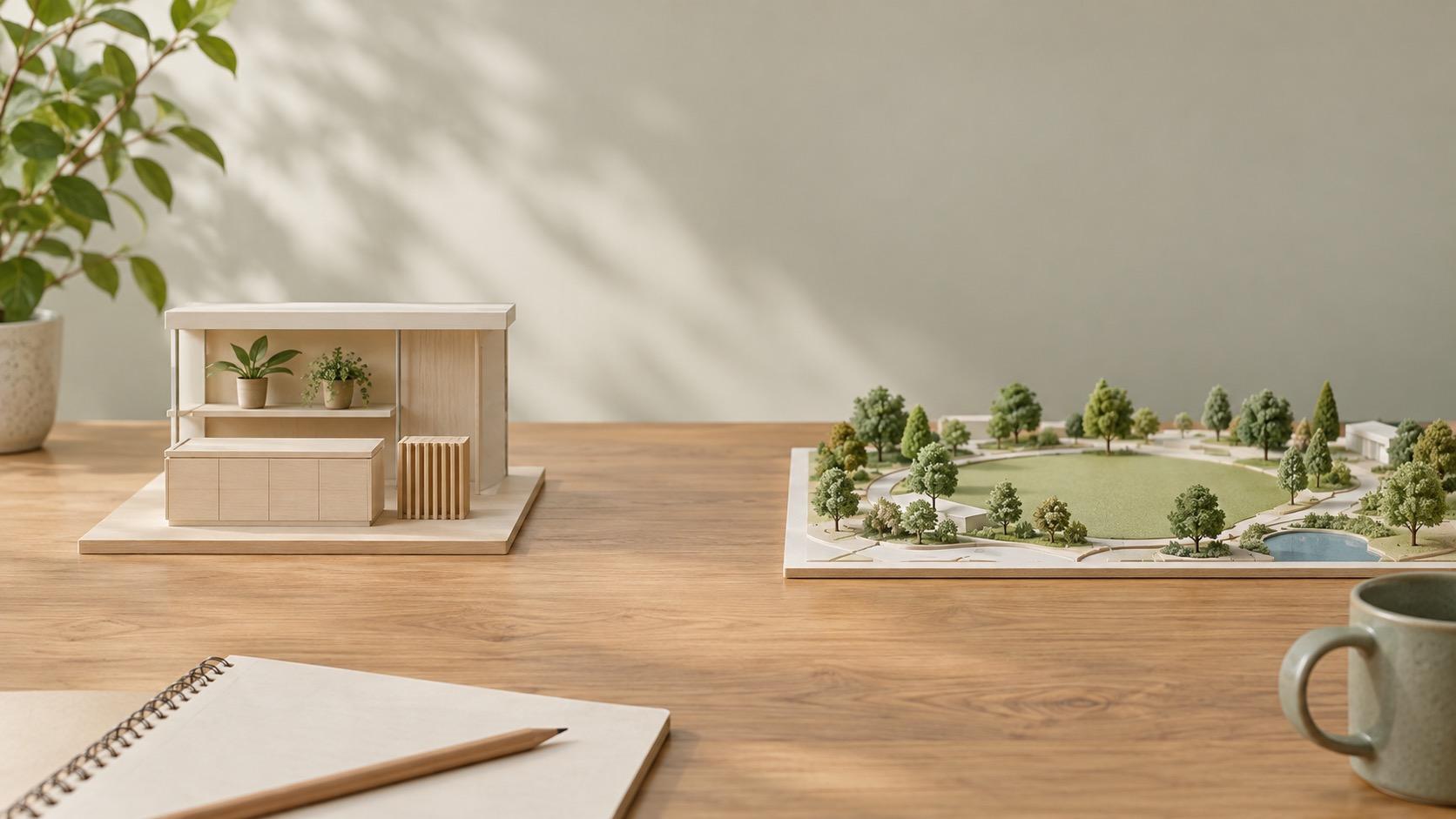
The header is an AI-generated conceptual image. It does not depict the actual store, expo site or a proposed finished park.
What Is Happening
Identify the store location and pre-event opening.
The announced location and timing of the permanent store
The phrase “permanent expo store” can suggest that an exhibition building will remain in business after an event ends. For GREEN×EXPO 2027, the announcement concerns a different development: a retail contact point planned before the expo opens. Identifying the place and date changes what the news can tell us about the city’s future.
announced a 29 April 2026 opening on the seventh floor of Sogo Yokohama. The release announced that a temporary shop within a department store would become a permanent outlet before the exhibition, rather than an exhibition building being converted after it.
The store announcement does not establish a plan for retaining the expo site as a retail development.
The release described the outlet as the fourth permanent official store in Yokohama at that time. That count should retain its geographical and publication-date limits. It is not a current national store total, nor a count of outlets guaranteed to survive the exhibition.
The store is near Yokohama Station; the expo venue is the former Kamiseya Communications Facility. Sharing a city name does not make them the same property or project. A report that merges the two places risks presenting decisions about the future venue that the store release never announced.
What the opening tells us
The announcement describes reaching residents who use the department store and people visiting Yokohama. Official licensed merchandise can provide an everyday point of contact with the exhibition. That is a stated purpose of the outlet, rather than evidence that sales or eventual expo attendance increased.
The material reviewed here announces an opening, but does not establish current on-site operations or measured footfall. “Permanent” describes the change from the previous temporary format. It should not be treated as verification of a contract requiring the store to continue indefinitely after the expo closes.
To examine a lasting local role, further reporting would need to establish how long the outlet operates and how people use it. A retail opening can be relevant to that investigation without serving as proof that the city has already secured a durable post-event asset.
Background & Context
Separate project schedules and the stated purpose of license income.
Different projects have different clocks
The organizer’s overview gives the expo period as 19 March to 26 September 2027. At the source check on November 4, 2026, both opening and closing remain in the future. Experiences during the exhibition and outcomes after its closure therefore cannot be reported as observed results.
A pre-event store, an exhibition with defined dates, and a future public park have different schedules. A store opening helps explain preparations for the event. It does not identify the park’s opening date or the period for which particular exhibition structures will remain in use.
What the documents report
- Store
- Opening reported in April 2026
- Expo
- Scheduled for March to September 2027
- Park
- Planning and work for future use
What needs a separate check
- Store
- Current operations and actual use
- Expo
- Attendance and experiences after opening
- Park
- Open areas, access and maintenance
The article organizes the store announcement, event overview and city park notice. This is not a store-relocation plan or a timetable for opening the whole park.
A useful reporting method would record a document’s publication date, the event it reports, and the period covered by any future plan. For example, an editor could maintain separate entries for the store, exhibition and park, with unanswered questions attached to the relevant project.
This is a proposal for organizing research, rather than a description of the organizer’s or city’s existing practice. Keeping the underlying notices allows another reader to see why a date was recorded and which operational details still require clarification. A blank field should identify an unanswered question, rather than silently become an expected completion date.
License revenue and local benefit
The store release also explains the management of the association’s intellectual property, with aims including building interest and securing license income. The master license office’s described tasks include merchandise planning, production and sales, as well as developing and managing official outlets inside and outside the venue.
License income is one part of understanding event finance. It is insufficient evidence for how much benefit stays locally. Investigating that question would require additional information about production, purchasing, employment, rent and payments for the use of intellectual property. A sale and a local economic gain are different measurements.
The opening release reviewed here provides no measured local-retention rate or total amount returned to local businesses. People’s enjoyment of merchandise remains relevant as an experience, but economic claims need records that explain which transactions and beneficiaries are being counted. Neither enthusiasm nor a shop opening supplies those figures.
Reading the Structure
Keep the park boundary, policies and outcome evidence distinct.
The park requires its own documents
describes the proposed former Kamiseya Communications Facility Park as approximately 650,000 square metres. The city is considering a park reflecting the expo’s ideas, with environment and disaster preparedness as its themes. This is a public planning notice for the venue area, distinct from the department-store announcement.
The city explains that initial work is progressing on infrastructure and planting needed for the future park. Preparing for the expo can therefore involve assets intended to support later use. That does not establish that every exhibition building will be retained or used permanently.
The notice also describes planned functions for disaster-response teams and the receipt and distribution of relief supplies. Those are intended functions, not demonstrated disaster-response outcomes. Assessing operational readiness would require evidence beyond a statement of what the park is intended to provide.
Official store at Sogo Yokohama
- Location
- Department store near Yokohama Station
- Announcement
- Licensed goods and everyday contact
- Research questions
- Operating period, use and revenue flows
Park plan at former Kamiseya
- Location
- Former communications facility
- Announcement
- Environment, preparedness and future works
- Research questions
- Access, management and disaster operations
A comparison of locations and stated purposes. It does not imply shared accounts or operators; the research questions are proposals for further investigation.
Area figures need a defined object
The organizer’s overview distinguishes the former communications facility, exhibition area and venue area. The city notice identifies the park area. Comparing figures without retaining those different definitions can create a misleading account of how much land is being used or retained.
A report should attach the relevant boundary and document to any area figure. Park area cannot stand in for shop floor space or the floor area of surviving exhibition structures. Someone investigating retained facilities would need an inventory and retention policy for the specific assets, rather than an inference from total land area.
From a user’s perspective, a large site also does not automatically mean more accessible facilities or longer opening hours. Research on public use should examine the areas actually open and the conditions of access. The proposed area alone cannot answer how a resident will use the future park.
Policies and outcomes are different evidence
The city’s outline for a new park(外部サイト、新しいタブで開きます) sets out directions involving environment, disaster preparedness, public-private cooperation, health and inclusive use. These describe an intended approach. They are not survey findings that residents’ health or local relationships have already improved.
An concerns a change associated with an activity, beyond the fact that the activity took place. For this article’s proposed evaluation, records of events held or facilities built could be considered alongside separate questions about who gained access and what changed for users.
This is preparation for future inquiry, not a completed assessment. Store visits alone cannot show subsequent expo participation, and completed park area cannot show how usable the facilities are. Each purpose needs evidence suited to the particular change being examined.
Seeds for Social Design
Any proposed connection between store revenue and park maintenance would need evidence of the responsible parties and a transfer mechanism. Merchandise sales do not establish that park costs are funded from those sales. A visitor study should also distinguish repeat visits from distinct people and record the season, operating days and facility being compared. For a local business, participation in a department-store outlet and a future park activity requires separate examination of the relevant terms and notices.
Decide what to check after closing
Reading a legacy as what remains and how it is used requires attention to both assets and users. Before combining the store, park and local activities into one success story, researchers could specify what they expect to observe for each project. The resulting questions should remain attached to the relevant place and operator.
For the store, possible topics include its operating period, publicly available use information and documented local connections. Continued operation, if established, would still need interpretation alongside the department store’s conditions and other events. It should not be attributed to the expo alone without further evidence.
For the park, proposed checks include the areas open, hours of use, maintenance costs, and responsibilities in everyday and emergency operations. Where detail is not yet public, a record can retain the question and date of the check. Future notices can then be compared with the original policy without filling the gap with expectations.
One possible follow-up study would compare planning purposes with users’ accounts after facilities open. Positive comments from a few visitors should not become a citywide finding; one complaint should not become a verdict on the whole project. The study would need to explain whom it asked, when, and about which facility.
Information residents can use
Explanations of what remains locally could identify who can use a facility, when, and where questions can be directed. Commercial stores and public parks require different information about operations. Filling undecided details with optimistic assumptions makes it harder for residents and businesses to understand when or how to participate.
Separating an opening, a planning outline, physical work and later operations can make subsequent questions more precise. A reader can then look for the document relevant to the decision they face, rather than assuming that one announcement settles every stage of local use.
Related guide
The outcome indicator guide(このサイトの記事) introduces the difference between activities delivered and changes that follow. It is a resource for designing later questions, not evidence of outcomes at this store or park.
Related reading
博覧会の政治学:まなざしの近代(外部サイト、新しいタブで開きます) (吉見俊哉, 2010; ISBN 9784062919937) is a Japanese-language edition. The public description and contents on Hanmoto cover the history of expositions and their relationship to display and consumer culture. This is related reading on expositions as cultural experiences as well as physical projects. This recommendation is limited to the bibliography and public description/contents(外部サイト、新しいタブで開きます). The full book has not been read and does not substantiate current rules or case-specific facts in this article.

Links include affiliate advertising.
Remaining Questions
Ask what evidence would establish local benefit and usable public functions.
How far does a permanent store’s purpose overlap with the conditions for a lasting local place? After establishing its operating period, a study could ask why people visit and whether their expo interest connects to later activities. Sales should remain distinct from locally retained benefit; employment, purchasing and license payments require their own records. Where evidence is absent, neither success nor failure should be declared. The useful next question is what additional information would make a judgment possible.
For the park, how will environmental and preparedness aims connect to daily use and emergency operations? Open areas, maintenance responsibilities and procedures for accepting teams or supplies need checks at the relevant stages. Retained equipment and usable functions are different observations. Preserving the original policy alongside later operational information would help explain both the benefits sought and the responsibilities that continue after the exhibition.
A continuing study also needs to hear from people who did not visit or found facilities difficult to use. The store and park should not be evaluated as one undifferentiated user population. Reports need to state the place, timing and questions behind their findings. Understanding change associated with the expo requires a record connecting intentions with later use, rather than a conclusion drawn from facility names or impressions. Who maintains that record, and how local people can consult it, remain questions for the future operation and research.
References
大好評のポップアップショップが常設店舗へ!「EXPO 2027 オフィシャルストア そごう横浜店」4月29日(水・祝)にオープン — GREEN×EXPO Association and Master License Office (2026). Official publication; reading scope stated in the article; Official store opening announcement: Sogo Yokohama
開催概要 — Japan Association for the International Horticultural Expo 2027, Yokohama (2026). Official publication; reading scope stated in the article; GREEN×EXPO 2027 event overview
(仮称)旧上瀬谷通信施設公園 — Yokohama City (2026). Official publication; reading scope stated in the article; Proposed former Kamiseya Communications Facility Park
GREEN×EXPO 2027の理念や取組を踏まえた「新しい公園」構想骨子((仮称)旧上瀬谷通信施設公園) — Yokohama City (2024). Official publication; reading scope stated in the article; Outline for a new park reflecting the ideas of GREEN×EXPO 2027
Statistics cited in this article
- 1GREEN×EXPO Association, official store announcement(27 April 2026) Open source
- 2GREEN×EXPO 2027, event overview(Checked November 4, 2026) Open source
- 3Yokohama City, former Kamiseya Communications Facility Park(Updated 18 August 2026) Open source
Questions to Reflect On
- What has actually been confirmed about the store and the future park?
- Which records and whose accounts could explain local benefit and barriers to use?
Key Terms in This Article
- Outcome Indicator
- A measure intended to examine changes or benefits relevant to the problem a program seeks to address. Its design distinguishes outcomes from immediate activity outputs; improvement in a measure alone does not establish the program's causal effect.
Related Content

Do Selected Recycled-Plastic Studies Mean Hubs Are Already Operating?
Japan’s 2026 feasibility studies and FY2027 budget requests, alongside quality, inventory and purchase conditions for regional supply.
Can Vocational Training Be Measured? — EBPM and the Evaluation Design of Workforce Development Policy
Japan invests billions in vocational training yet lacks rigorous impact measurement. An EBPM-based evaluation design guide with international comparisons.
Series: Evaluation & Measurement Frameworks

Introduction to EBPM — What Evidence-Based Policymaking Asks of Nonprofits
As governments demand evidence from nonprofits, what competencies are expected? This guide explains EBPM basics and the path forward for organizations.
Series: Evaluation & Measurement Frameworks

Stranded by Heavy Rain: What Do Temporary Stay Notices Tell Us?
An examination of Japan’s 2026 guidance and Chiba’s historical heavy-rain records, facility designation, opening, reception, closure and cross-boundary updates.