
齋藤 亮次/ Ryoji Saito
Curriculum Director at Kamiyama Marugoto College of Design, Technology and Entrepreneurship (KOSEN). Nationally certified career consultant (MHLW). Affiliated researcher at the Waseda University Institute for Education Research. With fieldwork experience spanning over 50 countries, he specializes in career education, inquiry-based learning, and geography education.
Contents
Links
Publications

Career Counseling for High School Students: Supporting Self-Determined Pathways
In an era of diversifying pathways to higher education and the pursuit of well-being, this book explains the individualized career guidance that teachers are called upon to provide. Drawing on 20 common pitfalls, it offers concrete approaches and methods to help students make self-determined decisions about their futures.
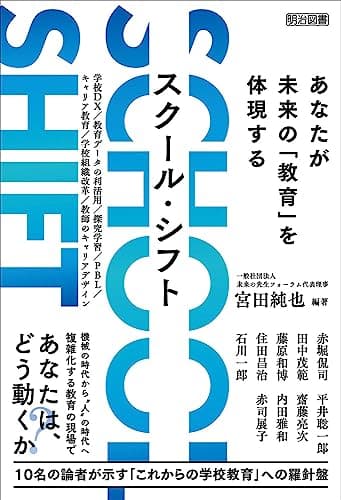
SCHOOL SHIFT: You Embody the Future of Education
Ten practitioners present both theory and practice for the future of school education in an era of 100-year lifespans, covering school DX, inquiry-based learning, project-based learning, career education, school organizational reform, and teacher career design.
Media Coverage
Questions and Ambition Move Society: The Work of a Curriculum Director at the Frontier of Entrepreneurship Education
The Educational Innovation Kamiyama Marugoto KOSEN Is Pursuing in the AI Era, and the Future Ryoji Saito Envisions
What We Should Tell People Who Think 'Retirement Means Sipping Tea on the Porch'
The Hidden Problem with Schools That Teach 'Push Forward and Try Harder'
Supporting Children's Self-Determination (10-part series)
Other Members
Researcher 02 / Director
塩見 尚大/ Naohiro Shiomi
Project designer. He facilitates communication within organizations and projects, overseeing management and direction. Known as a hub who connects people, he draws colleagues and partners into collaborative problem-solving.
Researcher 01 / Representative Director
ヨコタナオヤ(横田直也)/ Naoya Yokota
Creative producer and strategic designer. With an integrated approach spanning concept development, strategy, and design, he leads projects from structural analysis of social issues through to solution design. He drives research projects in areas such as traffic noise and urban environments, combining data analysis with design-driven methodologies.