
Behind Japan's 11.5% Child Poverty Rate: The 44.5% Single-Parent Reality
Japan's child poverty rate improved to 11.5%, but single-parent household poverty remains at 44.5% — among the worst in the OECD. The paradox of high employment and high poverty, and what 9,000 children's cafeterias reveal.
TL;DR
- The decline in child poverty rate to 11.5% is a 'rate' improvement, while the 'depth' of poverty remains a separate unresolved problem
- Single-parent households have the highest employment rate in the OECD at 86% yet also the highest poverty rate at 44.5%, a striking paradox
- The 29-fold increase in children's cafeterias signals multidimensional deprivation that income indicators alone cannot capture
What Is Happening
Japan's child poverty rate improved to 11.5%, but this masks deeper issues with poverty severity.

"Child poverty rates have improved"—this was how the media reported the results of the 2022 Comprehensive Survey of Living Conditions. Indeed, the numbers moved. The relative poverty rate for children (under 18) fell from 13.5% in the 2018 survey to 11.5% in the 2021 survey.
What the improvement means
But what does this "improvement" really mean?
The definition of relative poverty rate is "below 50% of the median equivalent disposable income (poverty line)." The 2021 poverty line was approximately 1.27 million yen per year. Those who crossed above this line were counted as "improved." Crossing the poverty line means that a household moving from 1.23 million to 1.31 million yen and a household moving from 800,000 to 1.30 million yen are treated as the same "improvement." The "rate" of poverty has changed. But the "depth" of poverty is a separate issue.
The poverty rate among single-parent households
What stands out is the poverty rate of single-parent households. While the overall rate is 11.5%, single-parent households (overall) face a 44.5% rate—approximately 1 in 2 are in poverty. This figure represents one of the highest levels among member countries.
Background & Context
Historical and comparative analysis of child poverty trends and measurement methodologies.
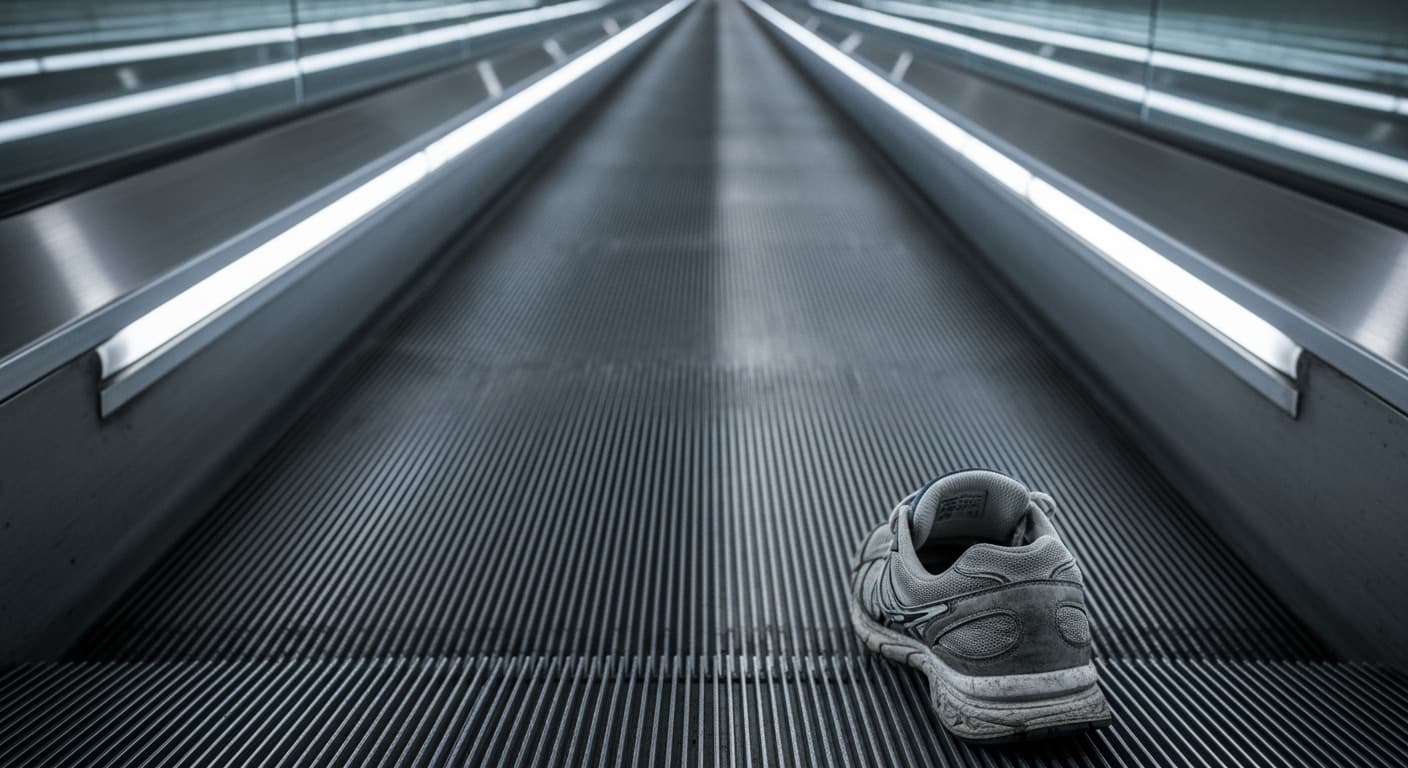
The Contradiction of "Working Poor"
The high poverty rate among single-parent households cannot be attributed to "lack of employment." Japan's single-parent household employment rate is approximately 86% (OECD Family Database, 2023)—the highest level among OECD member countries. The paradox: the country with the highest employment rate also has one of the highest poverty rates.
Japan's single-parent employment rate (86%) is the highest in the OECD, yet its poverty rate (44.5%) is also the highest — a structural paradox of 'working but cannot escape poverty.'
A question of job quality
This contradiction arises from issues with the "quality" of employment. Looking at single parents' employment patterns, non-regular employment such as part-time and temporary work accounts for approximately 46% (, 2022 National Survey of Single-Parent Households). The structural necessity of choosing short-term, non-regular employment to balance child-rearing with work creates a situation of "working but still poor."
The taper in the child-rearing allowance
There are also institutional traps. The child allowance system design includes a mechanism where benefits are gradually reduced as income exceeds certain levels. Attempting to earn income through work results in reduced allowances—a system that undermines work incentives is built into the institutional framework. While some improvements were made through reforms since the 2010s, structural challenges remain.
The Surge in "Invisible Deprivation"
The number of children's cafeterias increased from 319 locations in 2016 to 9,132 locations in 2023—approximately 29 times (according to NPO National Children's Cafeteria Support Center ). This surge is evidence that "children's food issues" have emerged as visible community needs.
At the same time, children's cafeterias illuminate more than just "visible poverty." Children who have food at home but eat alone, children who come seeking "belonging" rather than meals—these reveal that a considerable number of children exist in some form of deprivation while being "inside" the relative poverty line. What a single poverty line cannot capture is not just "depth" but also isolation, neglect, emotional poverty—multidimensional deprivations that are difficult to see with a single income indicator.
The Structure of Poverty Reproduction
Children who grow up in poor families are more likely to fall into poverty as adults—this "intergenerational transmission of poverty" has been demonstrated by research in Japan as well. Parents' educational attainment and income influence children's academic performance and advancement rates, which in turn affect future income.
Investment in higher education directly correlates with future income, but poor families prioritize "current living expenses." University and vocational school enrollment rates among low-income children remain below the overall average. A cycle where educational opportunity gaps reproduce income gaps exists behind the statistics.
Reading the Structure
Framework for understanding the distinction between poverty rates and poverty depth analysis.
The phrase "improvement in child poverty" may be conflating two different meanings. The "number" of households above the poverty line decreased. However, the "depth" of poverty—how far from the poverty line people are—remains difficult to see in statistics.
The employment trap
Another issue is the employment trap for single-parent households. The paradox of having both the highest employment rate and highest poverty rate among OECD countries points to where Japan's non-regular employment structure intersects with childcare support system design. There are domains where the premise that "work leads to escape from poverty" does not hold.
The surge in children's cafeterias is evidence that citizens and NPOs outside the institutional framework are attempting to fill this gap. However, there are limits to supplementation that relies on civil sector efforts. What is being questioned is the policy imagination to reframe child poverty not as "individual family problems" but as "social design failures."
Related Guides
Related Columns
- Welfare "Capture Rate" 20%(このサイトの記事)
- Loneliness and Isolation Countermeasures Promotion Act, Two Years Since Implementation(このサイトの記事)
- Questions Posed by US Welfare Reductions(このサイトの記事)
References
2022年国民生活基礎調査の概況 — 厚生労働省 (2022). Ministry of Health, Labour and Welfare (厚生労働省)
OECD Family Database — CO 2.2: Child poverty — OECD (2023). OECD
令和3年度全国ひとり親世帯等調査結果 — 厚生労働省 (2022). Ministry of Health, Labour and Welfare (厚生労働省)
全国こども食堂実態調査(2023年度) — NPO法人全国こども食堂支援センター・むすびえ (2024). Musubie (むすびえ)
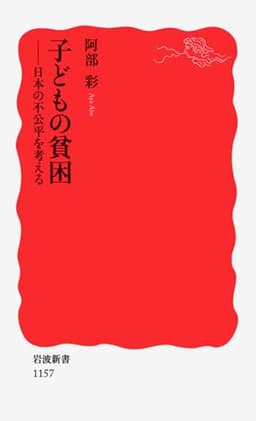
Recommended Reading
Statistics cited in this article
- 1MHLW, 2022 Comprehensive Survey of Living Conditions(2022) Open source
- 2Ministry of Health, Labour and Welfare '2022 Comprehensive Survey of Living Conditions'(2022) Open source
- 3OECD Family Database — CO 2.2: Child poverty(2023) Open source
- 4NPO National Children's Cafeteria Support Center Musubie 'National Children's Cafeteria Survey (FY2023)'(2024) Open source
Questions to Reflect On
- What role might statistical improvements play in obscuring the deteriorating conditions faced by the most vulnerable children?
- In what ways do current poverty measurement methods in your community successfully capture—or fail to reveal—the true depth of hardship experienced by families?
- Consider situations you've witnessed: how might overall statistical progress mask the unchanged or worsening reality for those experiencing the deepest need?
Related Content

Single-Parent Poverty at 44.5%: The Structure Behind 'Working but Still Poor'
Japan's single-parent household relative poverty rate stands at 44.5%. Despite having the highest employment rate in the OECD at 86%, single parents face poverty rates that are among the worst in the developed world. Behind the failure of the 'work hard and you'll be rewarded' premise lies the wage gap in non-regular employment, unpaid child support, and structural limits of the social security system. This article uses data to examine the mechanisms that perpetuate 'working poverty.'

How Much Is Japan's Child Support Levy? The Burden on Singles and Childless Households
Starting April 2026, Japan's new child support levy adds hundreds of yen monthly to health insurance premiums — even for those without children. Criticized as a 'singles tax,' we explain the system and compare it with international childcare financing.

Pension Intergenerational Inequality — A ¥60 Million Structural Fault Line
The benefit-contribution gap between those born in 1940 and 2010 reaches ¥40 million. Analyzing intergenerational inequality in Japan's pension system.

Ten Years of Japan's Hardship Support Scheme: 3.456 Million Enquiries, 26.6% Turned Into a Plan — and in FY2024 Enquiries Rose by 9,373 While Plans Fell by 3,790
In ten years since Japan's Act on Self-Reliance Support for the Needy took effect, 3,455,905 new enquiries were received and 919,459 became continuing support plans, or 26.6%. Some 327,967 people moved into work or higher earnings, 9.5% of enquiries. In FY2024 enquiries rose by 9,373 while plans drawn up fell by 3,790. This piece reads the distance between the government's benchmarks and the outturn.
Previous
Public Assistance 'Capture Rate' 20% — The Invisible Gaps in Japan's Safety Net
Next
The Structure of Japan's Care Worker Crisis — The 'Invisible Roadmap' to 2040
Get new columns by email
1-2 social structure analysis columns per week. Free to subscribe.
Join ISVD's activities?
Sign up to receive the latest research and activity reports. Feel free to reach out about collaboration or project participation.
Support ISVD’s research and activities
Support ISVD’s research and publications with JPY5,000 per year. There is no automatic renewal.